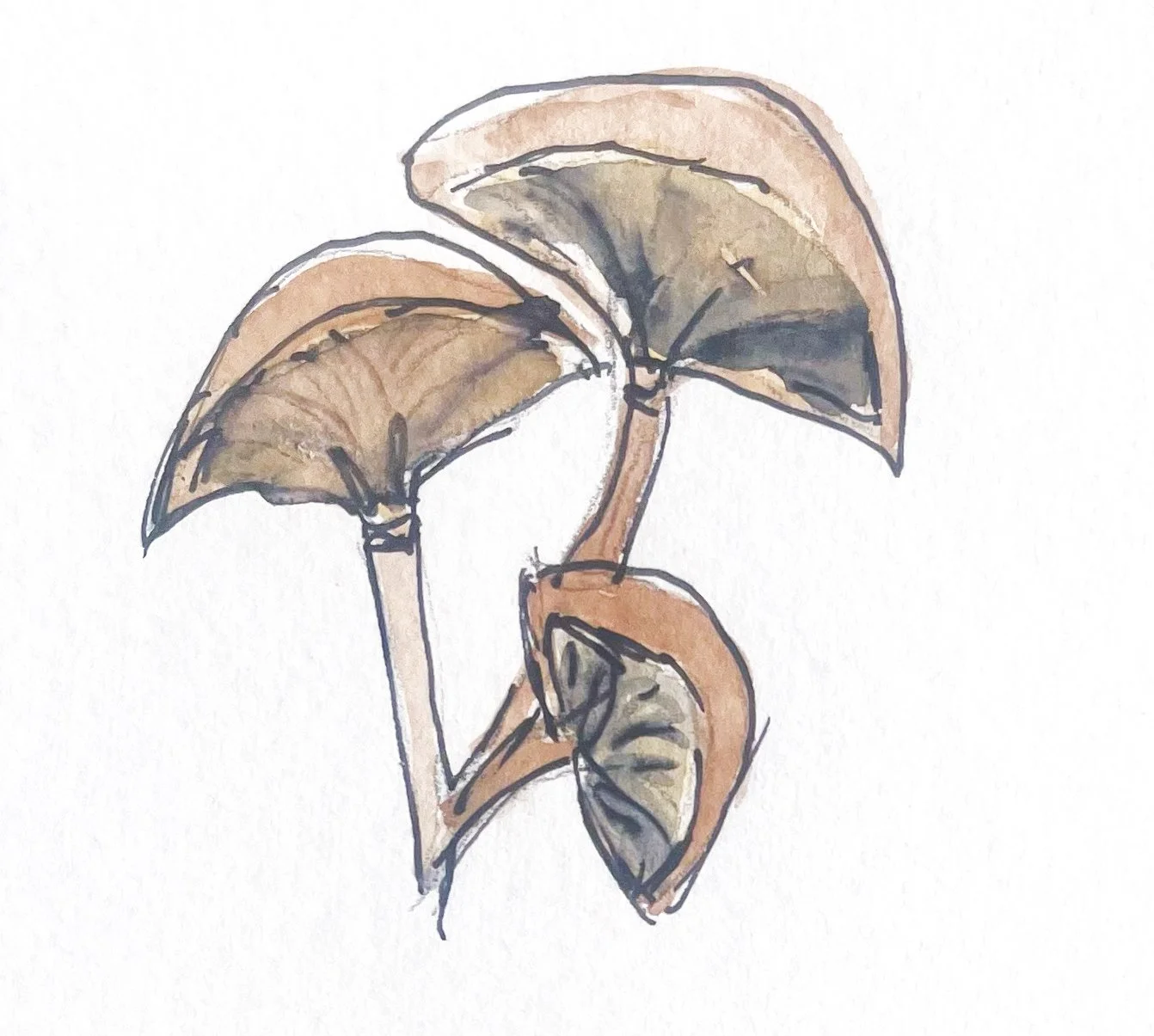
Species of the Arts Therapy Ecology Map
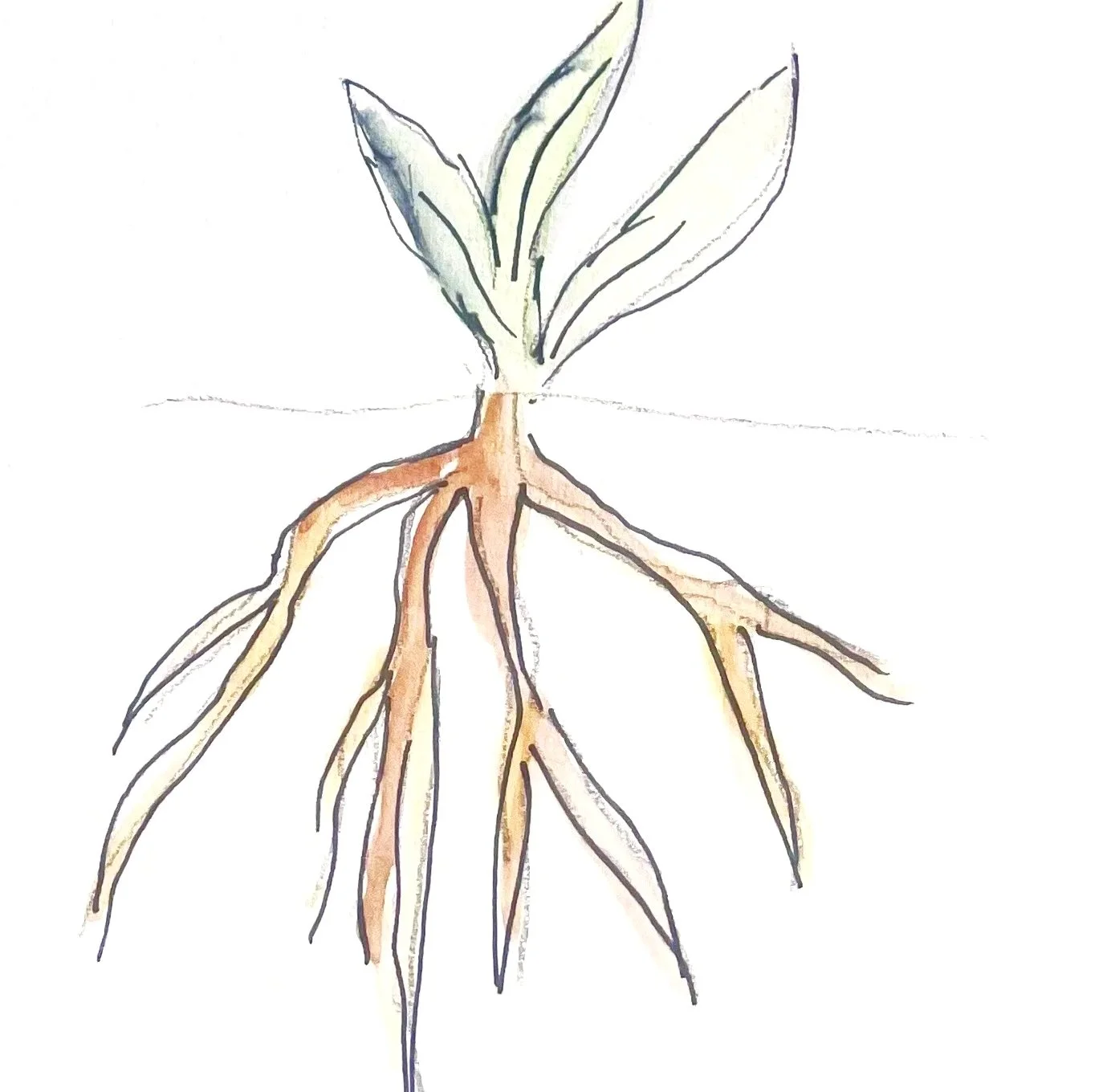
Root Stabilisers
Root Stabilisers are grounded and steady in their presence. They provide a safe and supportive anchoring in sessions, which can help clients process complex emotions through somatic awareness and consistent, long-term therapeutic relationships. They dig their roots in deep to ensure good structural support!
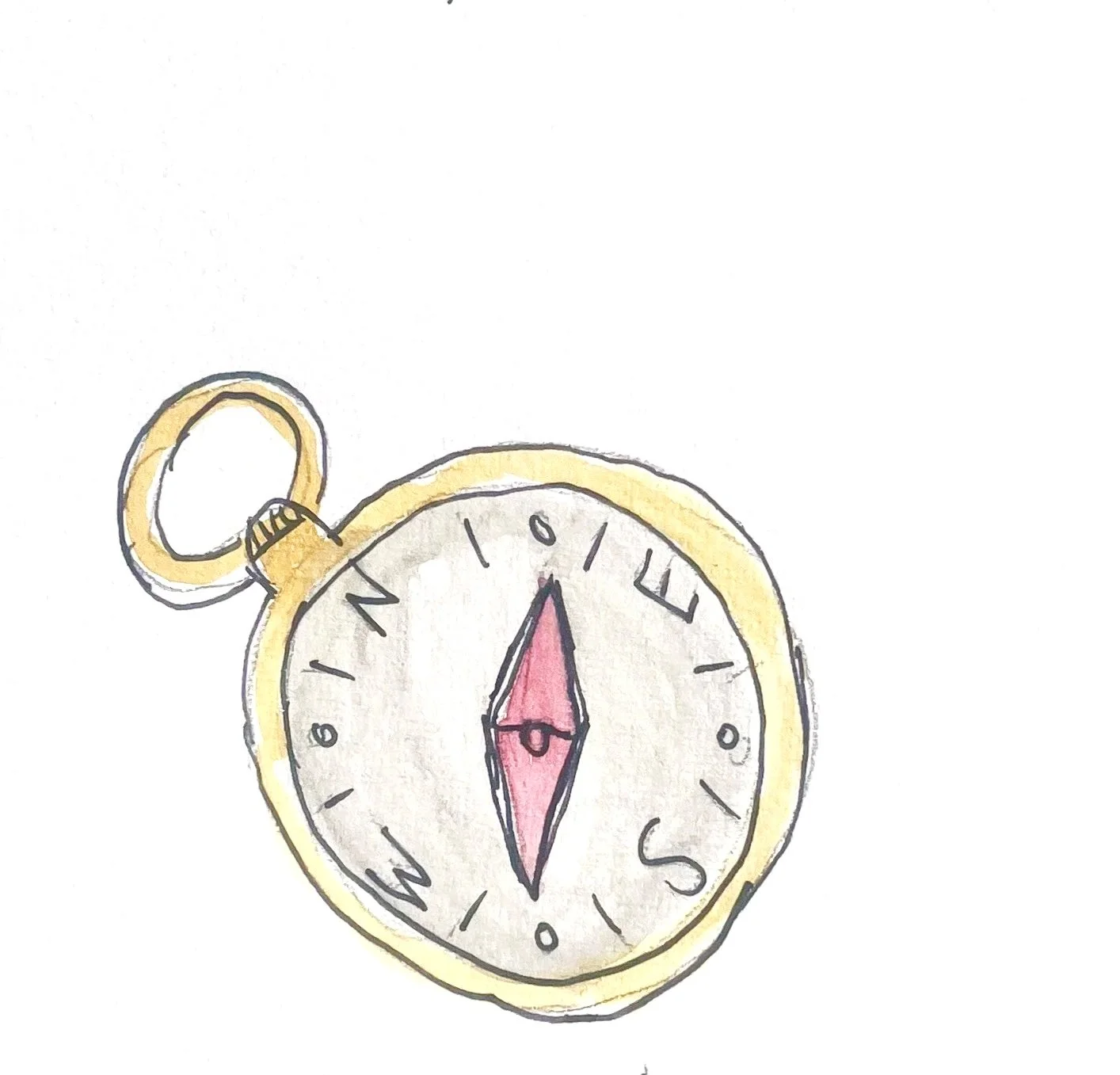
Pathfinders
Pathfinders often sense shifts and changes within the field. They are probably best described as trailblazers who thrive in uncertainty and love to lead the way through new approaches in Arts Therapy. They can help shape the field’s future by navigating uncharted territory and finding discoveries on the way. Often their internal resources act as their compass.
Compost Stewards
Compost Stewards help support people to convert emotional heaviness into insight and healing- effectively ‘composting’ their emotional ‘dirt’ to find wisdom and growth on the other side. These practitioners tend to work with grief, trauma and loss. What is composted, is integrated and what is integrated can make way for new growth.
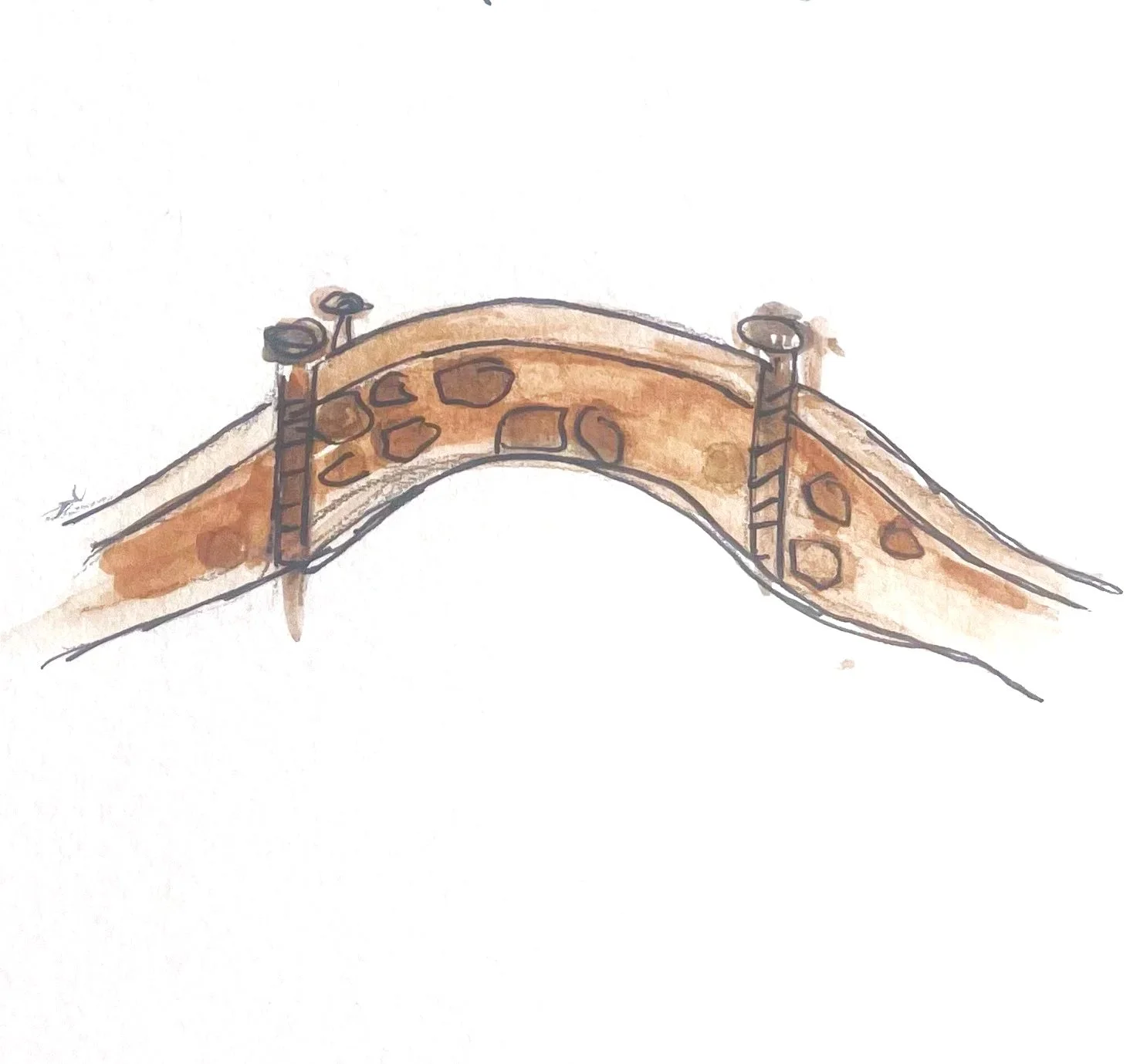
Bridge Builders
Like their name implies, Bridge Builders help build connection across systems and contexts. They have the ability to link Arts Therapy practitioners with various sectors, helping to link broader ecology through joint initiatives and partneships.. They can also link people and communities together, as well as strengthen how people relate to (and understand) their inner and outer worlds.
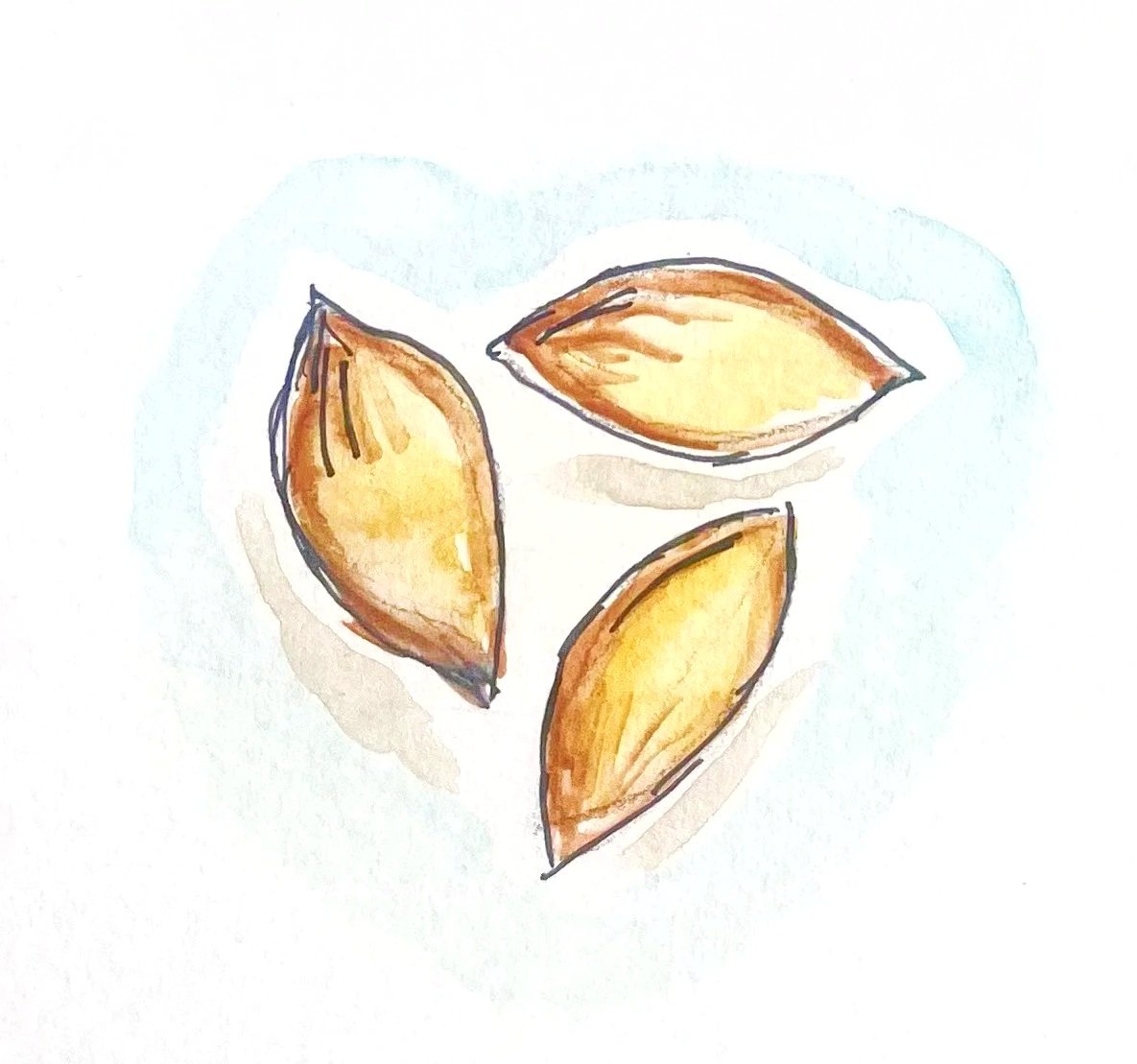
Cultural Holders
Cultural holding reflects ways of working that are inherently shaped by culture and lineage, as well as community responsibility- and is always context-specific. Not all practitioners will carry this role, but for those who do- they might notice it is present across all terrains. It is important to acknowledge, this role cannot be assumed or adopted. This is where stories are held and shared.
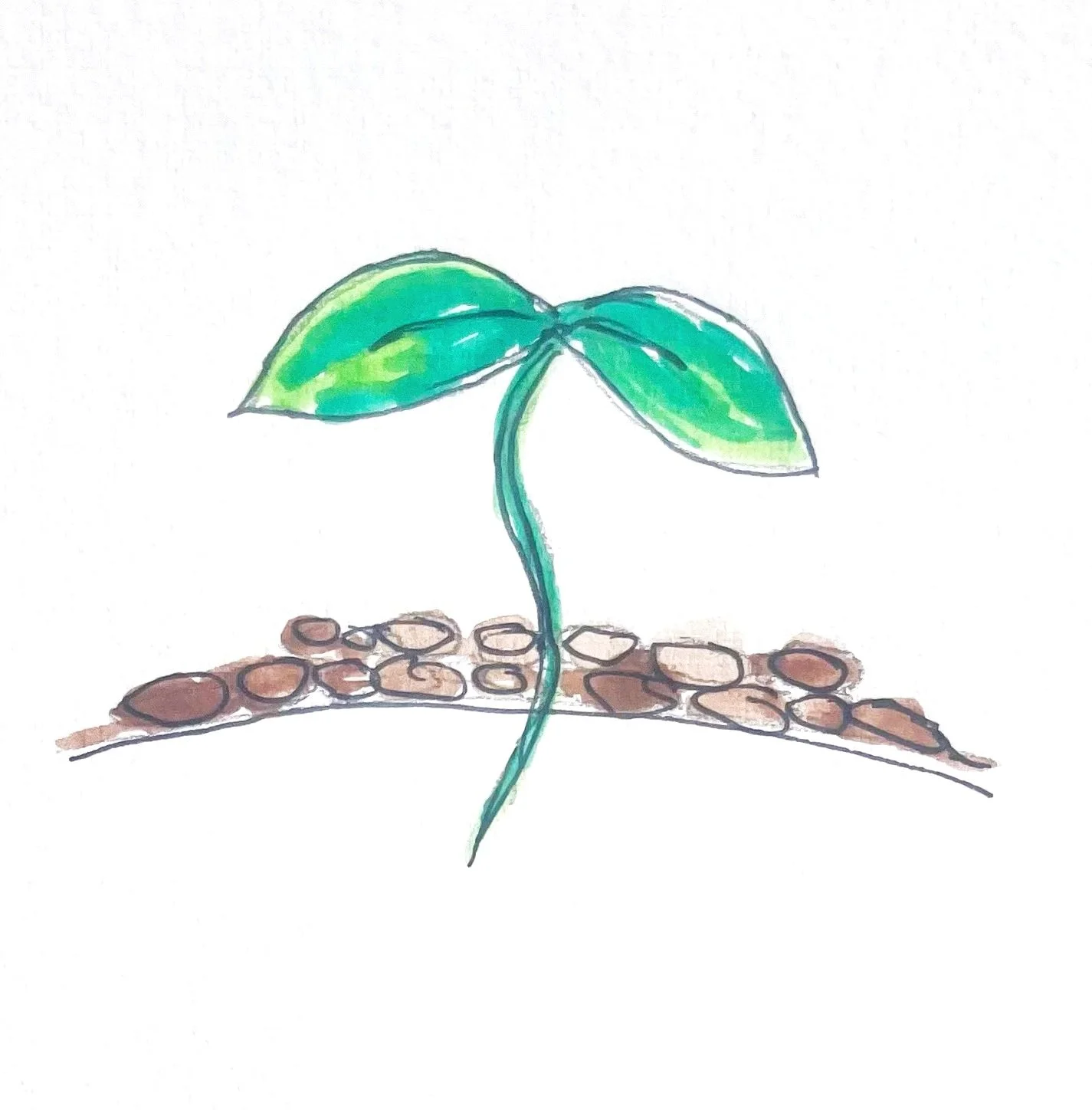
Pioneer Species
Pioneer Species like to push boundaries. They are always on the lookout for new ways to work and to emerge from the cracks- even in difficult terrain. They thrive in uncertainty and enjoy testing the limits of what’s known. You will often find them experimenting with innovative approaches in arts therapy. Keep an eye out for them as they are often forging new ground.
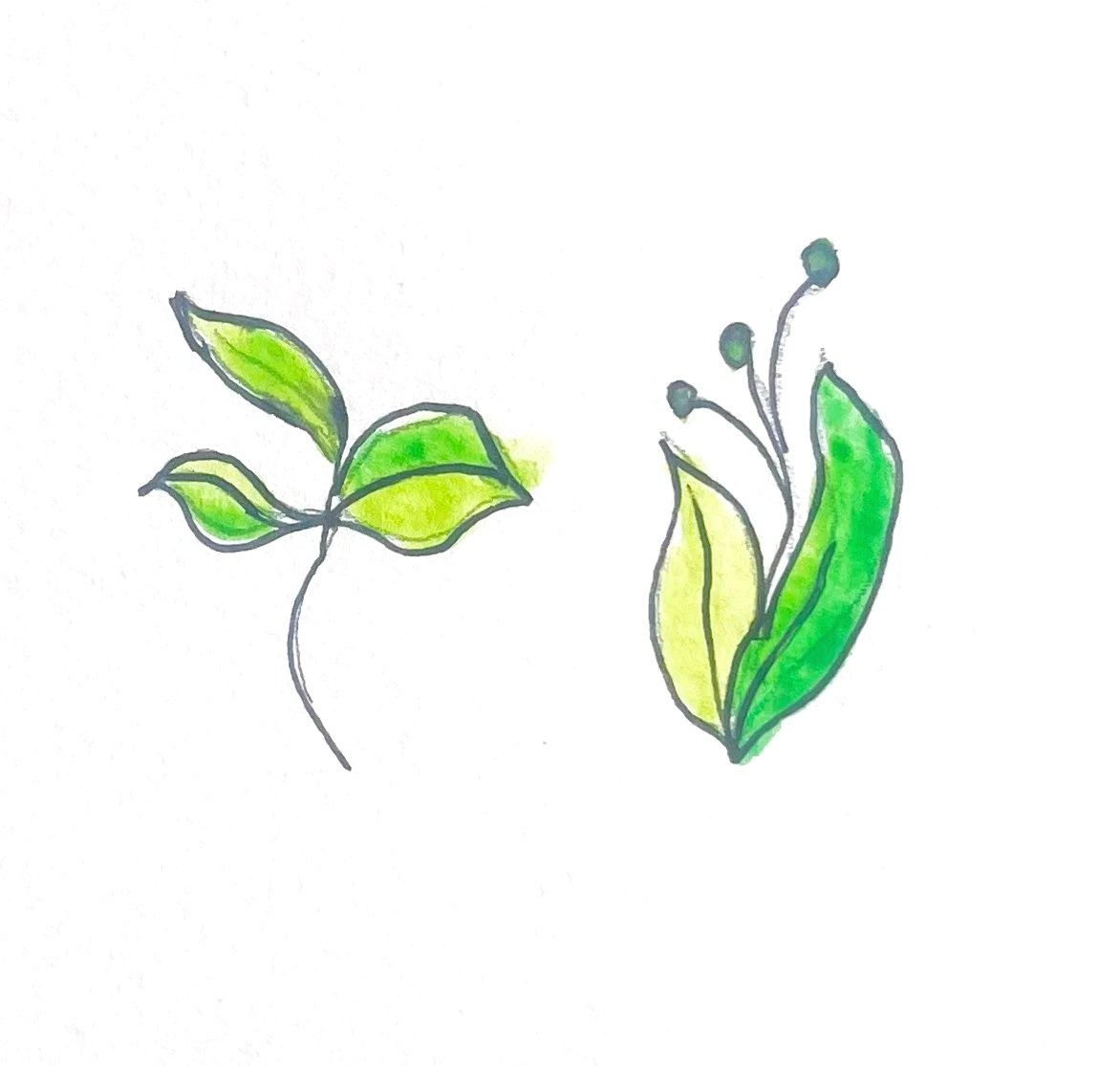
Companion Plants
Think of a veggie patch and you will get the idea. Companion Plants offer others consistent support and guidance They remain sturdy beside clients and peers, during both challenging and long-term therapeutic work- even when the weather gets rough. This species prioritises empathy, congruence, and unconditional positive regard and holds an important place in the ecosystem.
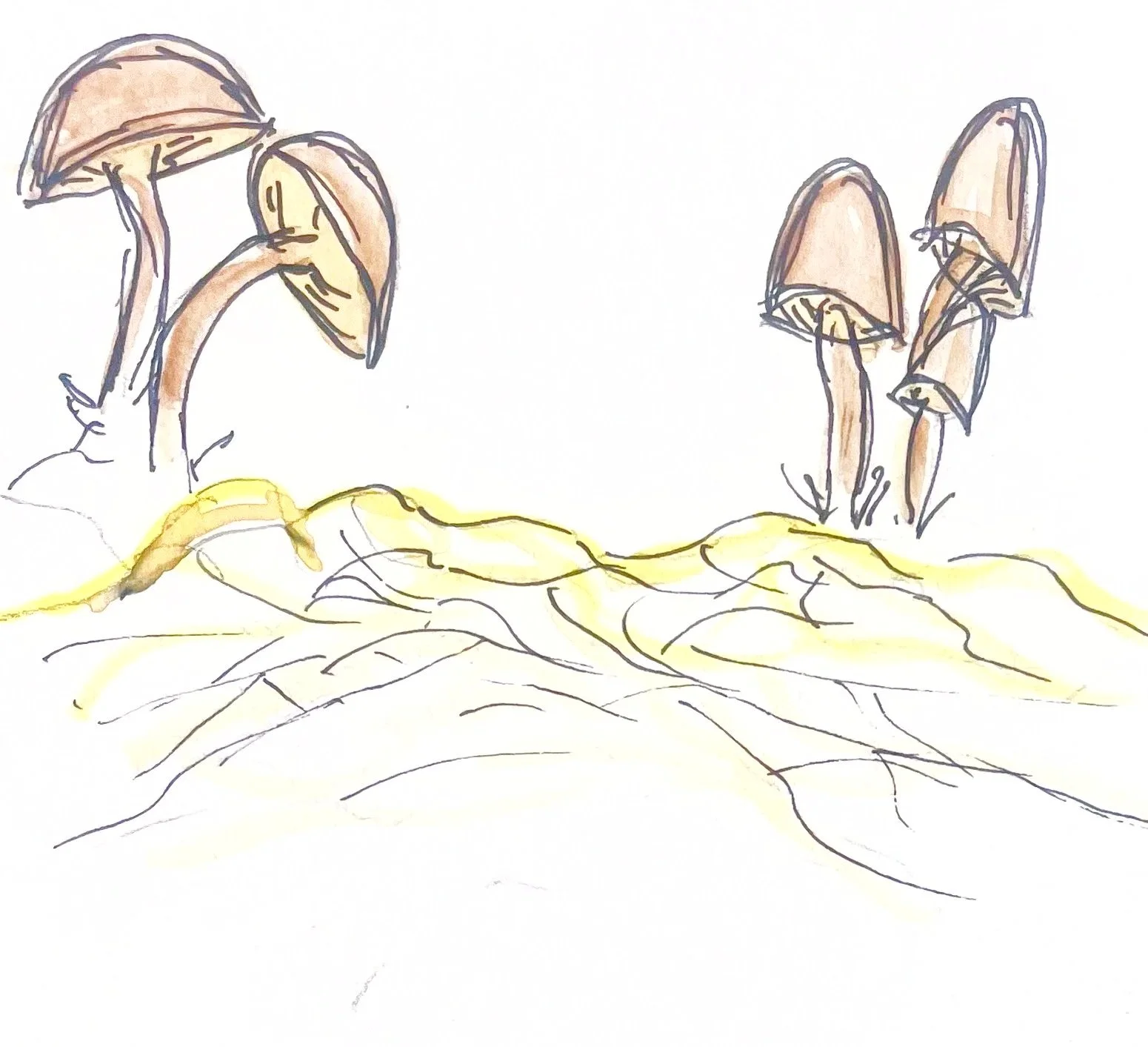
Mycelial Weavers
Myclieal weavers work behind the scenes to build the infrastructure that supports the field. They help support and resource the wider ecology by serving as the organisational element behind conferences, PDs, and resource-sharing platforms. They may even sit in committee groups for membership bodies, advocating for the field, fostering community support networks and creating pathways for cross sector partnerships.
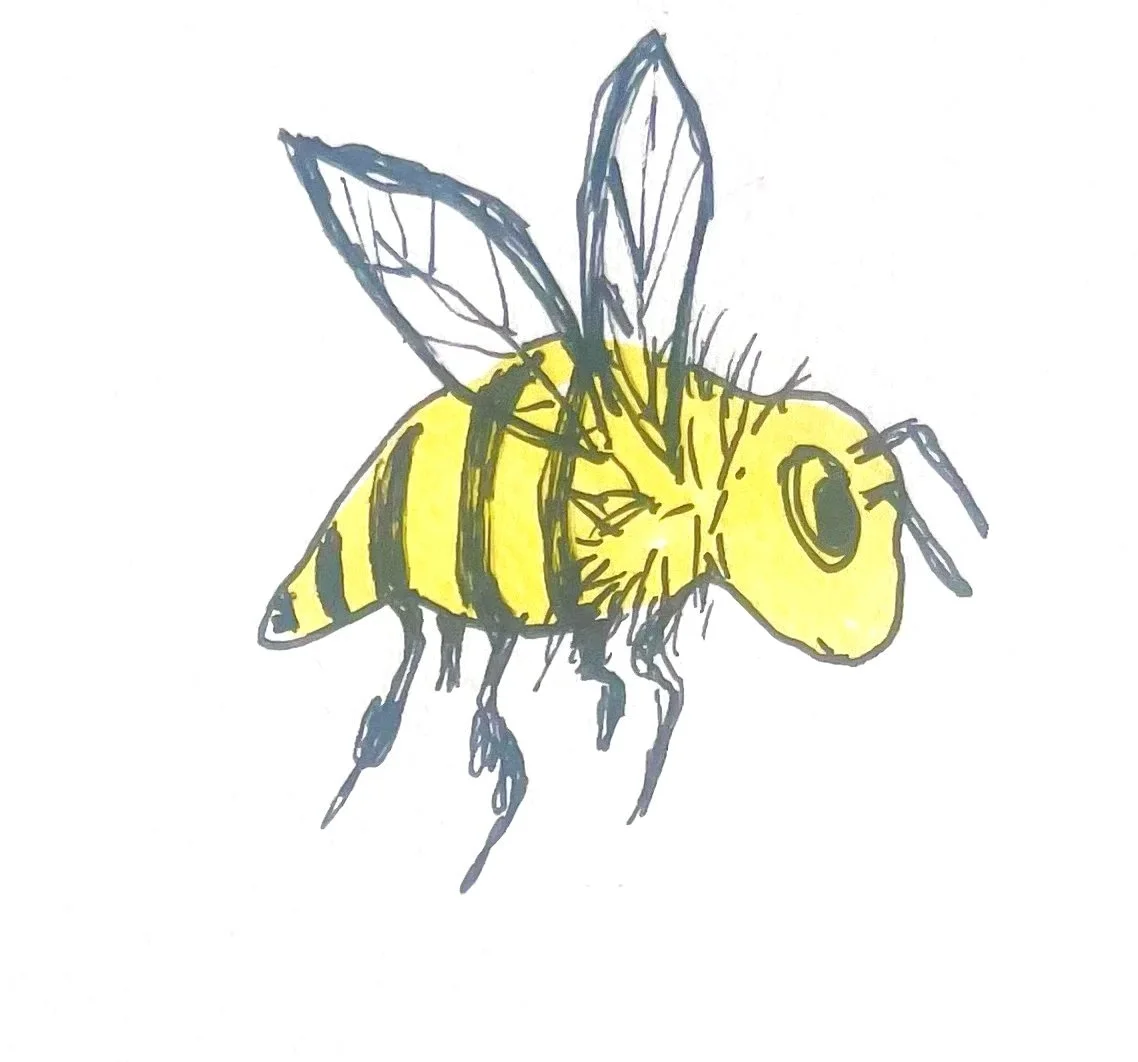
Pollinators
Like buzzy little bees, pollinators are energetic in group spaces and spark creativity and connection wherever they go. They are happiest in spaces where collaboration and sharing of ideas is key, which makes them natural facilitators for group work and workshops. Buzz, buzz….