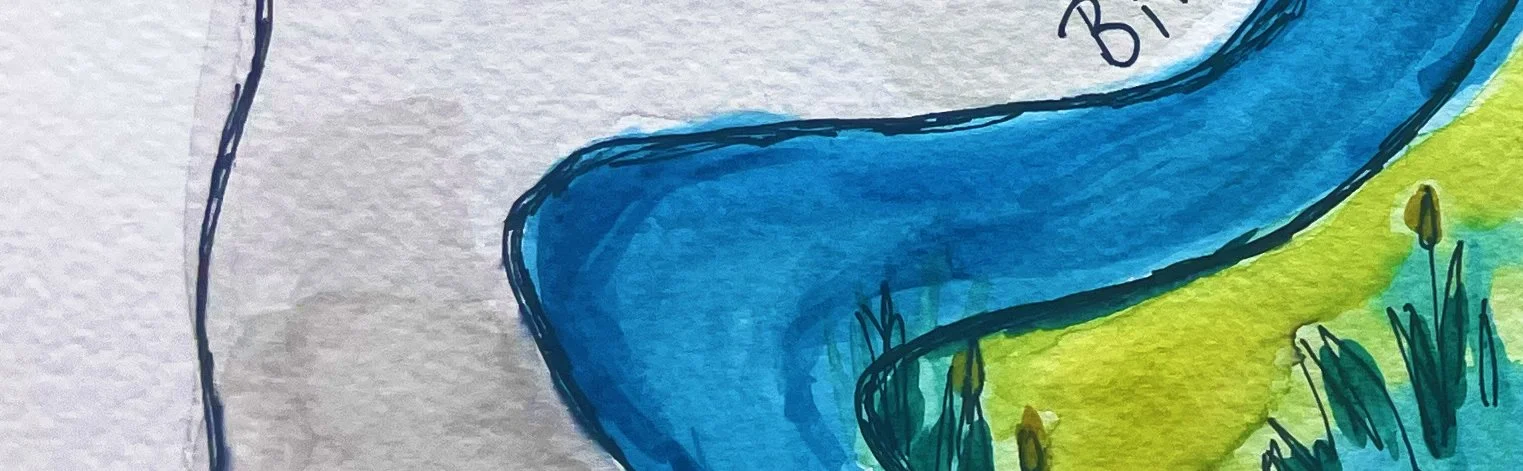
Billabong
Supervision & Mentorship
A ‘billabong’ is a waterhole or lagoon formed from an old or diverted river channel. Ecologically speaking, it is an important source of fresh water when the main river dries up and supports many little critters.
In this Ecology Map, the Billabong is a place slightly removed from the main current of practice, which offers a space for supervision and mentorship to fellow Arts Therapists- acting as a refuge for reflection. It is designed to be a reflective environment- one where supervisees can slow down and explore the complexities of therapeutic practice. In this space, supervisees may reflect on therapeutic practice, engage in professional development, and be supported in processing emotional content that may bubble up in their work.
This terrain can help supervisees to find clarity and balance in their work, refine therapeutic techniques and build confidence in their practice. It offers a steady (but fluid) space which supports clinical growth and fosters emotional resilience in what at times may be challenging therapeutic contexts
The Billabong offers a reflective holding environment and can help supervisees to navigate client dynamics, process difficult material, as well as integrate their emotional responses to their work.
“We do not learn from experience alone, but from reflecting on experience.” - John Dewey
Sustainability and limits
If the Billabong is your home, you will require strong relational boundaries and the capacity to hold space for others’ emotional and professional growth- a little like a billabong holds water after the rain! Becoming a supervisor typically requires several years of experience, as it carries significant responsibility.
To remain well and effective in this terrain, ongoing reflective practice, self-care, and regular supervision of your own work are essential
In context to the wider ecology
The Billabong is an important terrain within the Arts Therapy ecosystem. It helps strengthen professional identity and integrity, and supports practitioners to deepen their practice becoming more effective in their work. Supervisors support sustainable practice in the field.
Species commonly found in the Billabong
While practitioners may move across multiple terrains, the following species are often found in the Billabong:
Companion Plants
In the Billabong, this species prioritises relational attunement, as they companion supervisees through clinical questions, case conceptualisation, and personal reflection. They support safety, trust, and honour a deep reflective learning space.
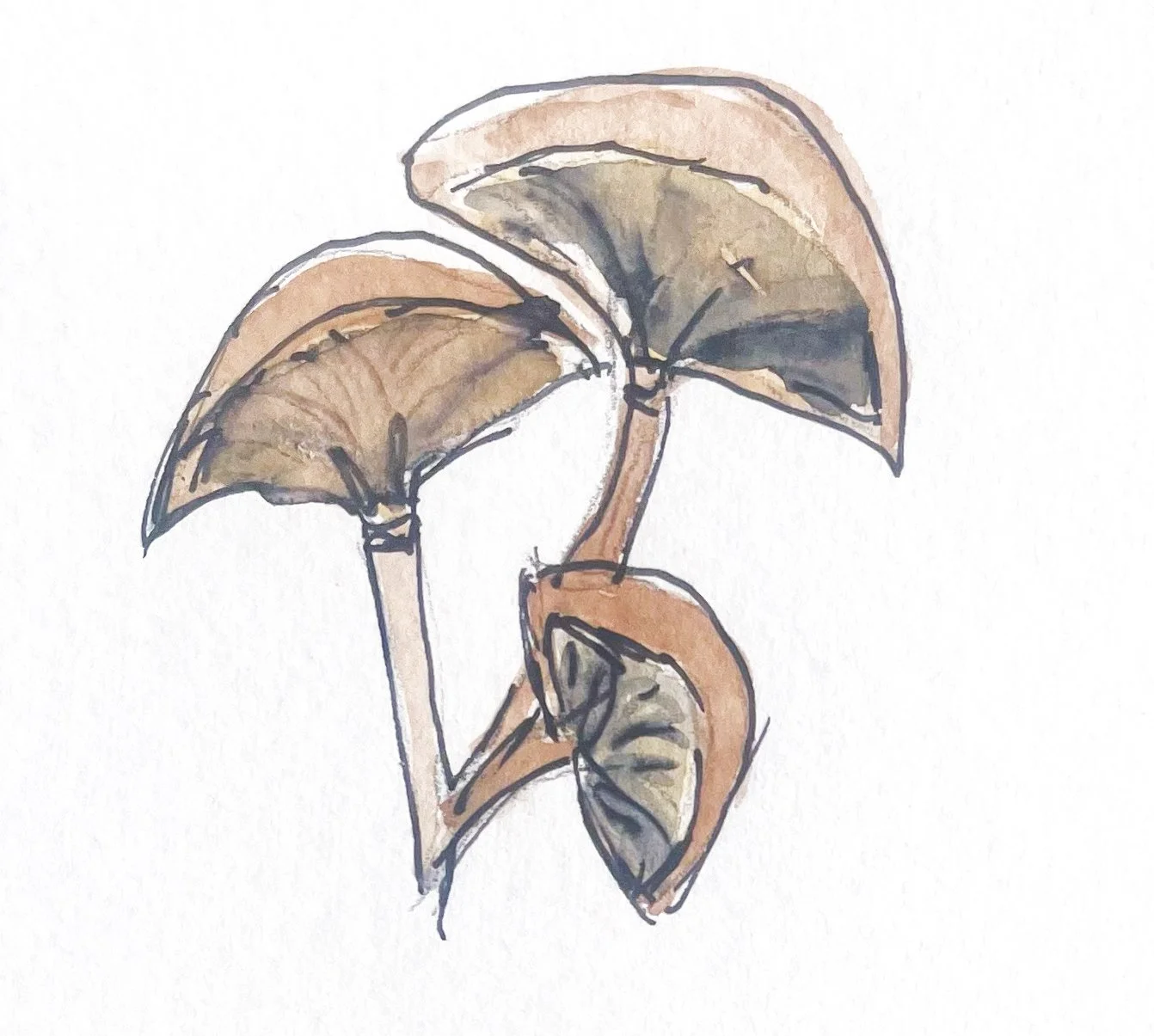
Compost Stewards
In this terrain, Compost Stewards support students, supervisees, or peers to process and integrate complex or emotionally dense material. Through careful and robust reflection, they help experiences from the field be broken down and understood. When done well, this can create new ‘soil’ (or insight) that supports professional growth
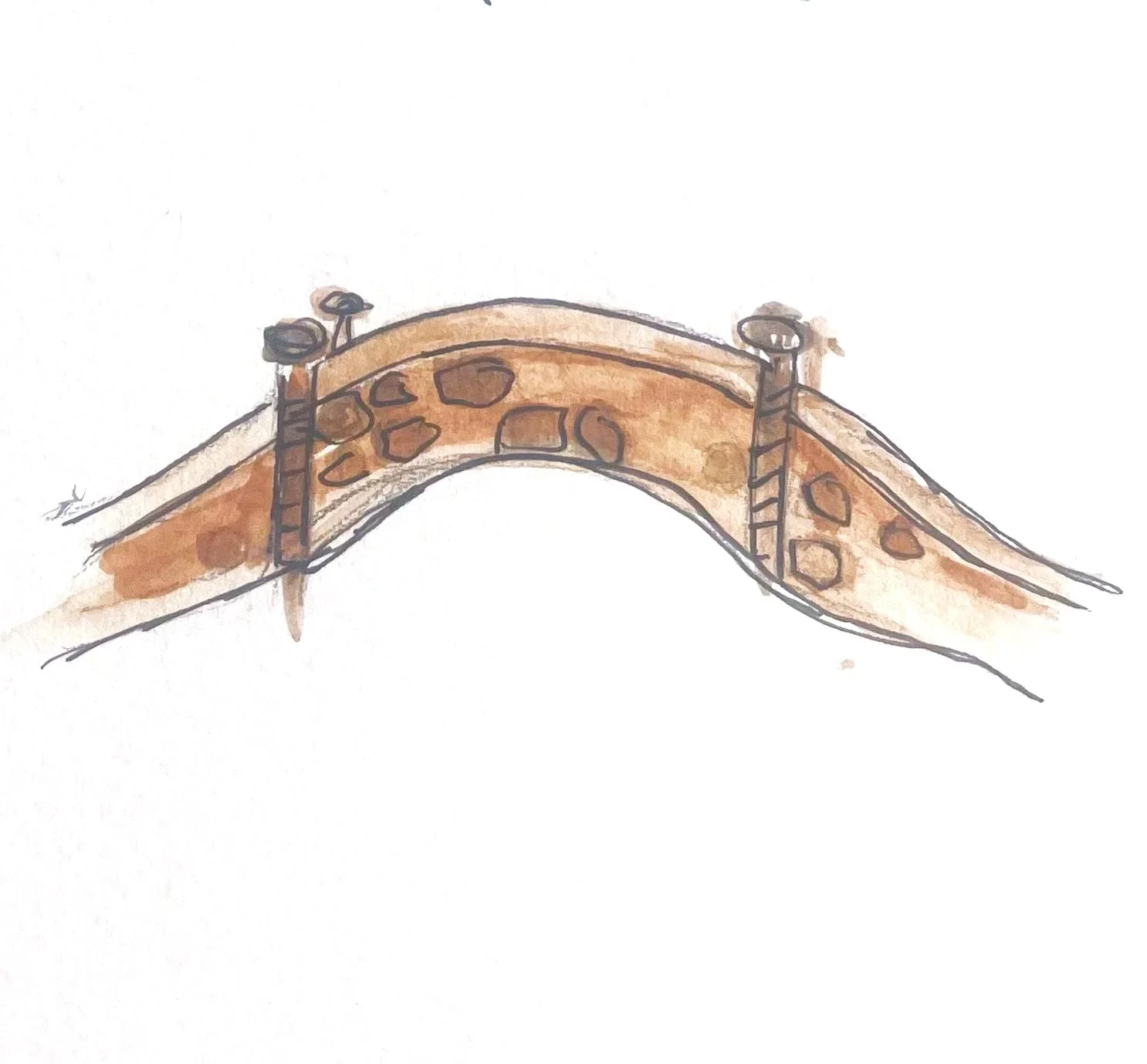
Bridge Builders
In the Billabong, Bridge Builders support the connection between theory and practice, as well as supervision and lived experience. They help connect people, ideas, and systems, building a more comprehensive understanding of different professional worlds and supporting knowledge to move more freely across the ecology.
Want to Explore More?
Lookout: The Bog of Realities
Have a bit of a giggle but don’t get stuck - the realities of practice can get a bit boggy…

Curious about other species?
Explore the different species found across the Ecology Map
Practitioner Portraits
Reflective portraits of practice across the wider ecology