Grasslands
Adaptable, Flexible & Multi-Role Practitioners
Grasslands are known for their biodiversity and adaptability in response to changing conditions. They are ecologically rich and highly productive, but also one of the most vulnerable ecosystems, requiring ongoing care and active management to remain healthy and resilient
Like grass moving in the wind, practitioners in this terrain can move in versatile ways. In the Grasslands, Arts Therapists might find they enjoy working in ways that require them to adapt (sometimes quite quickly) in response to emerging needs and contexts. If you are a practitioner who lives in the Grasslands, you may enjoy working across multiple spaces- including schools, clinics, and community spaces- moving into whatever role is needed in the moment and adapting your approach to meet the unique challenges that may present themselves depending on context.
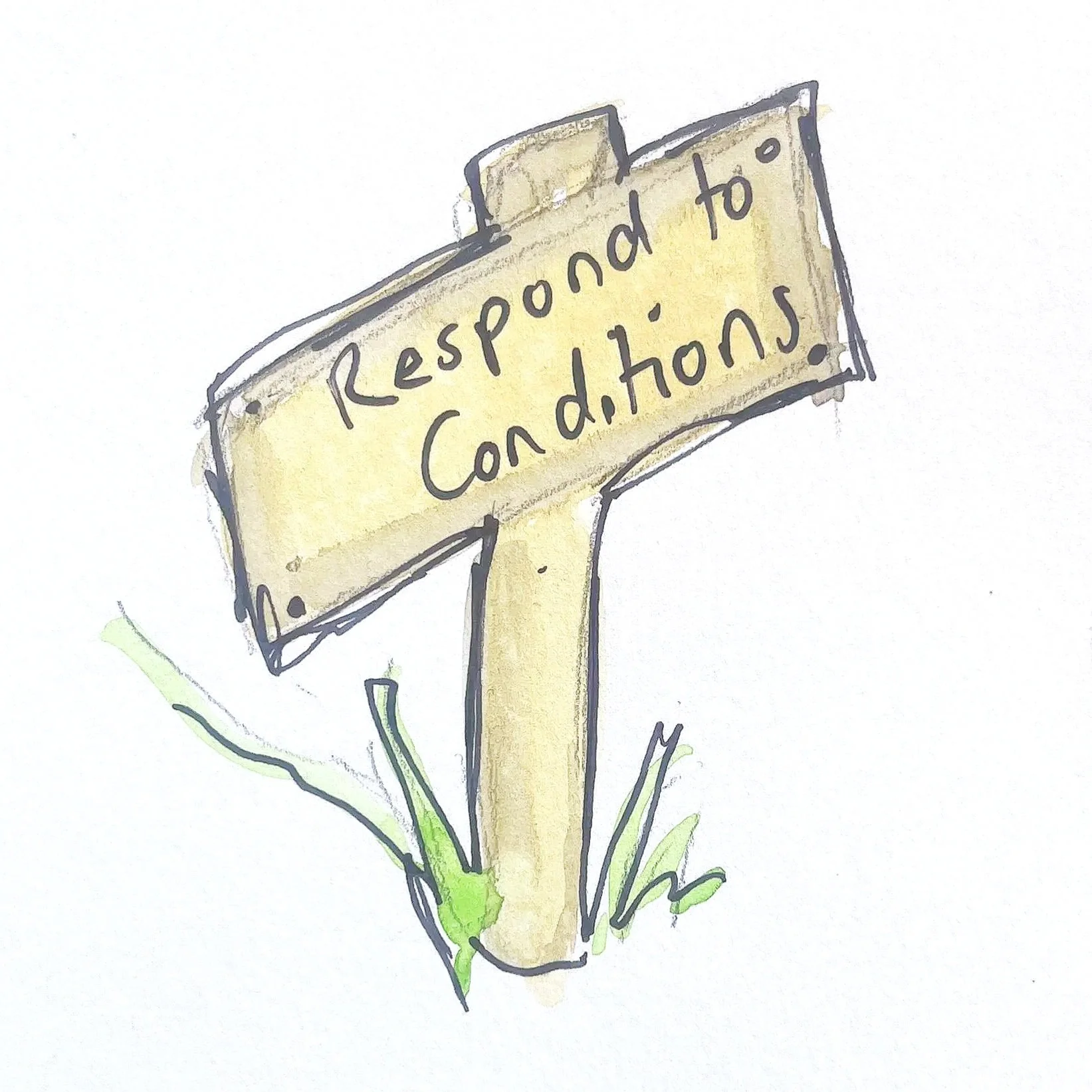
A question from the Grasslands:
How do you keep your feet solidly on the ground while responding to changing conditions?
You may find this work is often done by sole practitioners or contractors, where the demand for your work is ever-changing. It can be an energetic and active space where you might also enjoy making connections across diverse environments. One moment you might find yourself facilitating group therapy or running a creative workshop in a school, and the next you might be offering one-on-one support in an entirely different setting! If you enjoy variety and an ever-evolving landscape in your practice, this terrain may just be for you…
Sustainability & Limits:
The Grasslands can be a rewarding and energising space, particularly if you are an adaptable type of person. But it also carries the real risk of burnout, as it requires constant flexibility and the endless ability to switch between roles. This terrain often involves changing work landscapes, art materials, and tasks, so it is important to have a solid support system and clear personal limits in place to maintain the sustainability of your practice.
In context to the wider ecology
The Grasslands plays an important role in supporting responsive and adaptable practice within the broader field. This terrain calls for practitioners to readily respond to shifting needs and contexts, and helps ensure continuity of care across diverse settings and roles. When populated by practitioners who are adaptable and flexible, it also has the potential to fill many potential potholes in the system.
Species commonly found in the Grasslands
While practitioners may move across multiple terrains, the following species are often found in the Grasslands
Pollinators
In the Grasslands, Pollinators move between different settings and roles. They enjoy ‘pollinating’ people and places with ideas, activities, and different creative approaches. You will often find them busy working in schools, community programs, or short-term projects, adapting their practice to suit each context. Like a fuzzy, buzzy little bee, they are also often adept at finding their way between settings as they are super expert navigators-though Google Maps can obviously help!
Pathfinders
Pathfinders that are found in the Grasslands are particularly comfortable in navigating change and uncertainty. They are adept at finding unique ways to adapt to new environments and evolving client needs as they move between different areas of practice. They can even seem to find their way through potentially challenging bureaucracy and red tape. They hold their inner compass of ‘values’ tightly to help guide them.
Want to explore more?
Lookout: The Bog of Realities
Have a bit of a giggle but don’t get stuck - the realities of practice can get a bit boggy…

Curious about other species?
Explore the different species found across the Ecology Map
Practitioner Portraits
Reflective portraits of practice across the wider ecology