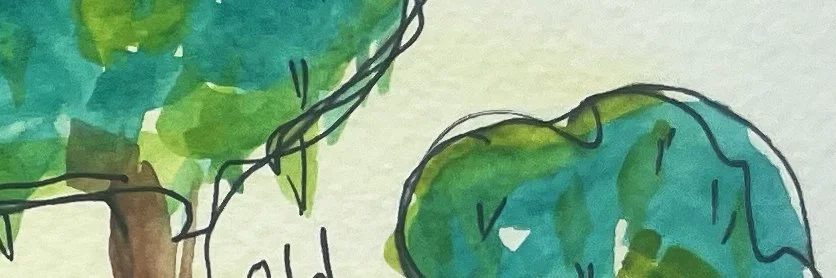
Old Growth Forest
Long-term, depth-based and relational practice
The Old Growth Forest is based around Arts Therapy practice that is long-term, slow and perhaps more psychotherapeutically focused. First and foremost, this terrain tends to prioritise the therapeutic relationship, as it believes it is a core foundation of this work. You might find, whilst working in this domain, that clients tend to progress slowly over extended periods and in their very own unique ways.
If you find yourself drawn to the Old Growth Forest, you might enjoy working with complex clients, as well as over longer timeframes/therapeutic arcs. This type of work requires careful pacing, case conceptualisation and ongoing consideration of the client’s needs. Progress in this terrain can be non-linear, and you may find that specific themes re-emerge as the therapeutic relationship evolves and the client’s capacity to hold emotional complexity deepens.
Working within the Old Growth Forest requires flexibility and a certain openness to working emergently. You might find that progress can be measured by subtle shifts (such as trust and relational capacity) more than by overt change. Much of the work in this terrain involves staying present with what unfolds- a little bit like watching a leaf unfurl without forcing which direction it takes.
This terrain values, therapeutic safety, allowing meaning to emerge gradually as well as consistency and reliability as a practitioner
Related perspectives:
Writing on trauma by clinicians such as Janina Fisher, along with arts-based perspectives from Shaun McNiff, can be helpful when thinking about depth-oriented therapeutic work that develops over time.
Sustainability and limits
Work in this terrain is usually depth-oriented, which may place significant relational and nervous system demands on your health and wellbeing. In order work sustainably within the Old Growth Forest, you will most likely require ongoing reflective practice, clear boundaries and robust clinical supervision. Are you in for the long haul?
In context to the wider ecology
The Old Growth Forest provides a space for depth-based work, as well as continuity and safety over longer therapeutic relationships.
Species found in the Old Growth Forest
Although practitioners may move and migrate across multiple terrains in the Arts Therapy Ecology Map, the following species are often at home within the Old Growth Forest:
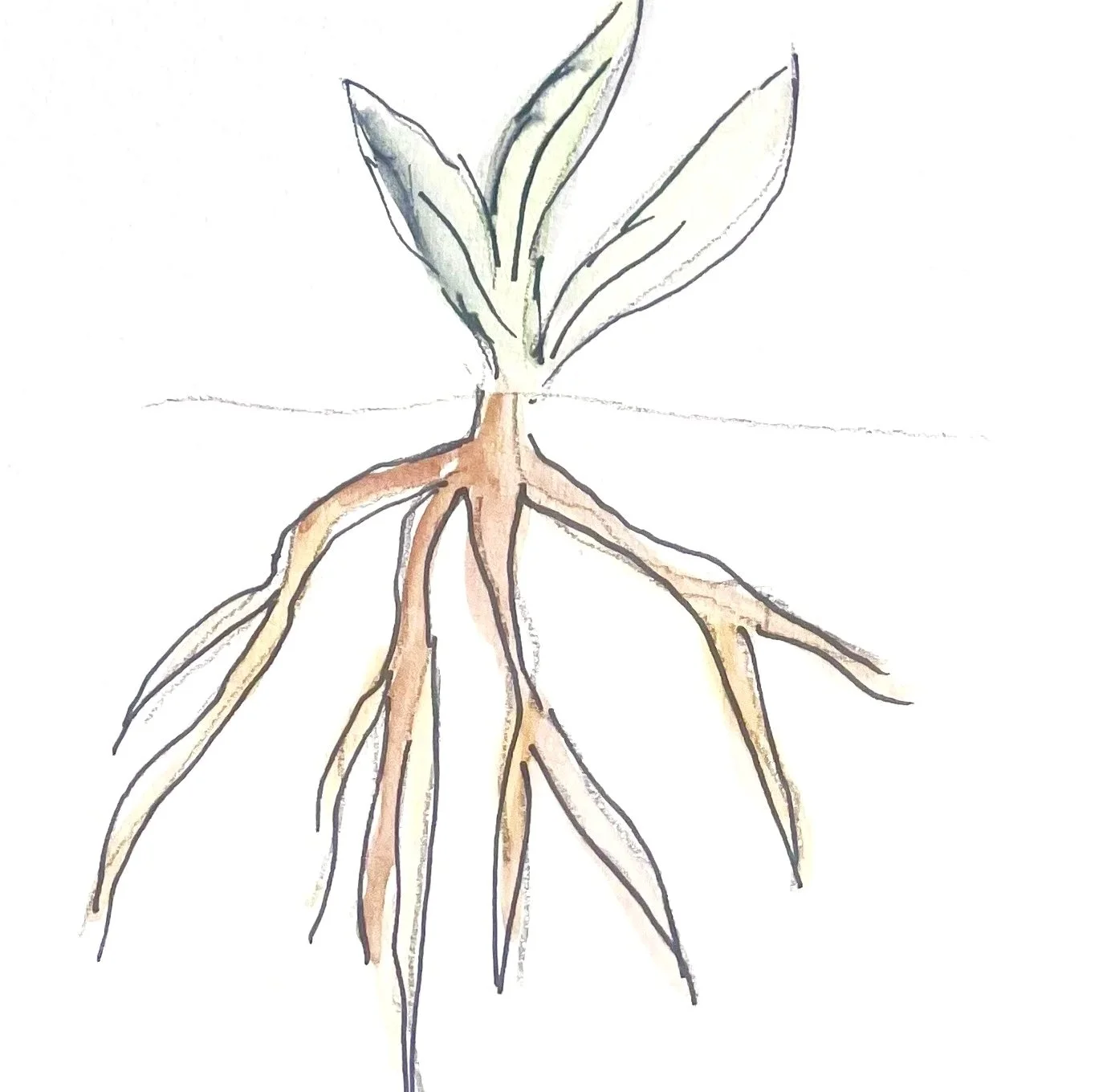
Root Stabilisers
These practitioners are consistent and grounded in their work. Over the therapeutic timeline, they support nervous-system safety by providing a stable, therapeutic relationship - in which ruptures can also be repaired. They work through a trauma-informed lens and provide somatic anchoring and pacing during sessions. They are often super sturdy.
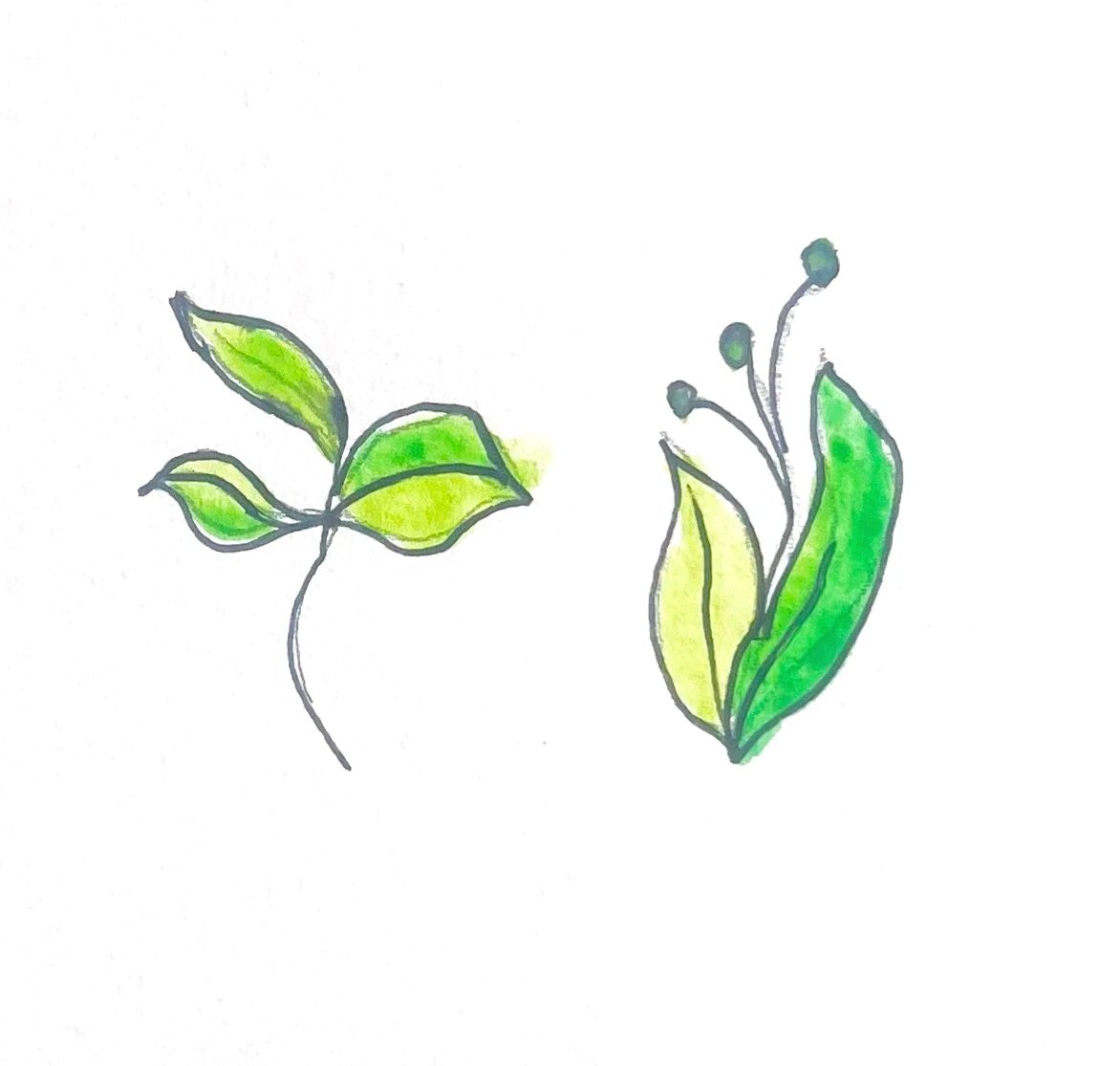
Companion Plants
This species prioritises the therapeutic relationship, built on presence, empathy, congruence, and unconditional positive regard. They thrive in environments where they can stand steady beside their clients through long-term, complex and often non-linear processes. This species is in for the long haul, and helps provide a consistent space for clients to slowly grow and flourish.
Compost Stewards
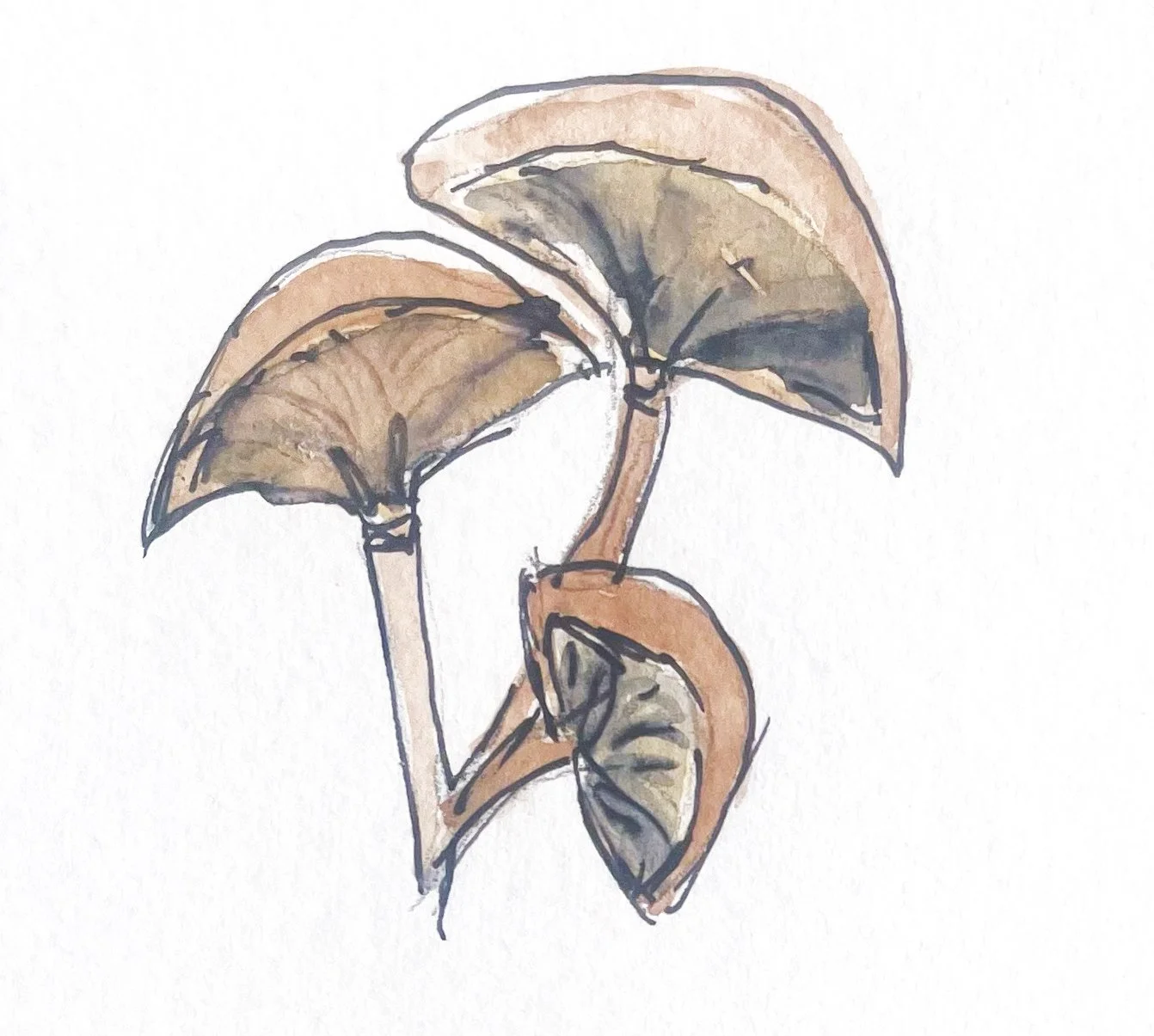
This species support clients as they metabolise and integrate challenging lived experiences. In the Old Growth Forest, over time, they help their clients to gradually transform emotional material that may have been carried for a long time, including trauma, grief, shame and loss. From the compost pile there is potential for new growth.
Want to Explore More?
Lookout: The Bog of Realities!
Have a bit of a giggle but don’t get stuck - the realities of practice can get a bit boggy….
Curious about other species?
Explore the different species found across the Ecology Map
Practitioner Portraits
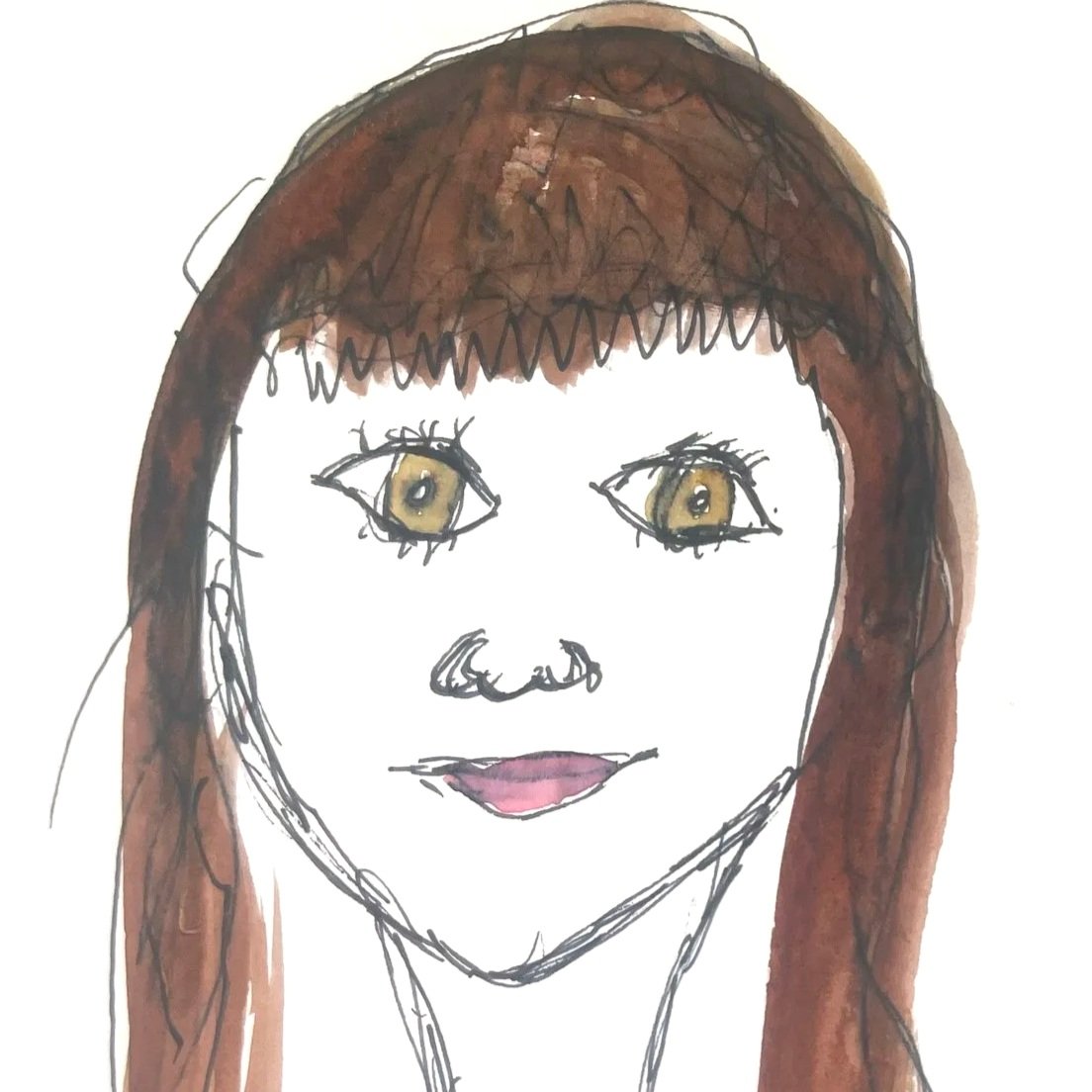
Reflective portraits of practice across the wider ecology.