
The Rocky Outcrops
Experimental & Edge Based Arts Therapy practice
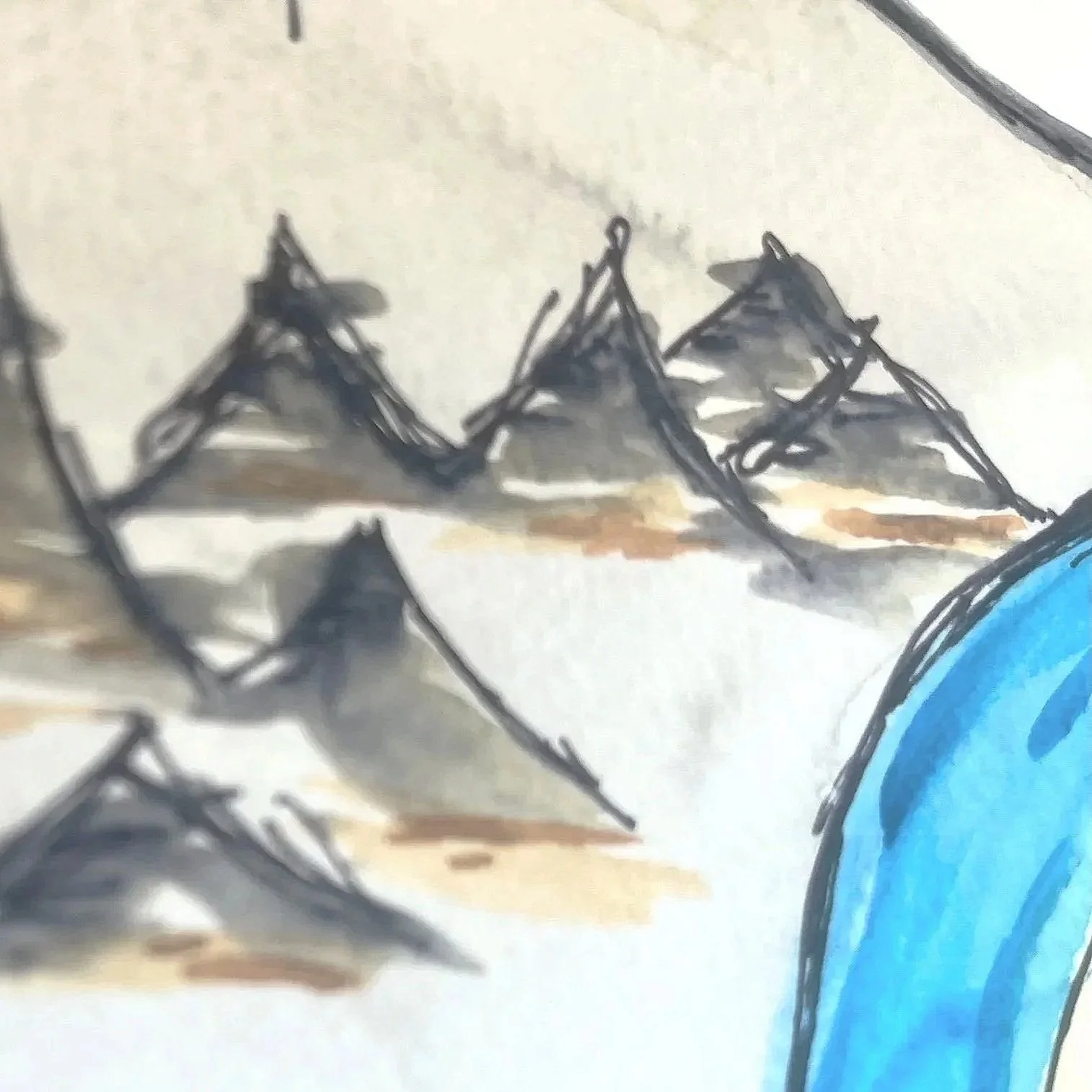
The Rocky Outcrops is a terrain that lies at the cutting edge of arts therapy practice and field development. It sits on the outskirts of methodologies and frameworks that may be more widely known and used. You might find yourself drawn to this terrain of Arts Therapy practice if you are willing to work with uncertainty and enjoy navigating largely uncharted paths.
Whilst inhabiting this terrain, you most likely enjoy exploring new concepts, ideas and methodologies or frameworks. You may even find yourself involved in arts-based research and inquiry, new community-based initiatives (and collaborations), interdisciplinary work, or even a new innovative pilot programs for a specific client population. Practitioners in this space, often find themselves questioning established assumptions or exploring perceived gaps in existing frameworks and models of practice within the broader allied health field. They are explorers by heart.
Work in this terrain often exists outside more established methodologies, as well as the dominant medical model paradigm. This landscape is particularly conducive to experimentation, where innovative approaches may slowly take shape, stone by stone and insight by insight- creating new ways for others to follow…
Arts therapy practice is supported and situated within institutional contexts through work emerging from university settings and the field more broadly, including the Creative Arts & Music Therapy Research Unit (University of Melbourne), MIECAT research, and the Journal of the Australian Creative Arts Therapies (JOCAT).
Sustainability and limits
Navigating this unmapped/unchartered terrain can be challenging. Working with emergent ideas and evolving methodologies, often requires a strong internal compass, as well as robust peer connection (and support) . Because this work is often largely self-directed, external validation can be limited. Like any exposed landscape, you may find it helpful to have some protective gear on hand- and to leave imposter syndrome behind. Without adequate support, this work has the potential to feel isolating at times..
In context to the wider ecology
The Rocky Outcrops play an important role in arts-based innovation, the evolution of new frameworks, and ultimately, field development. If navigated well with adequate support, this terrain can inform and reshape more established areas of practice, and create new pathays for others to follow…
Species often found in the Rocky Outcrops
While practitioners may find they move across multiple terrains at different times, the following species are often at home here
Pioneer Species
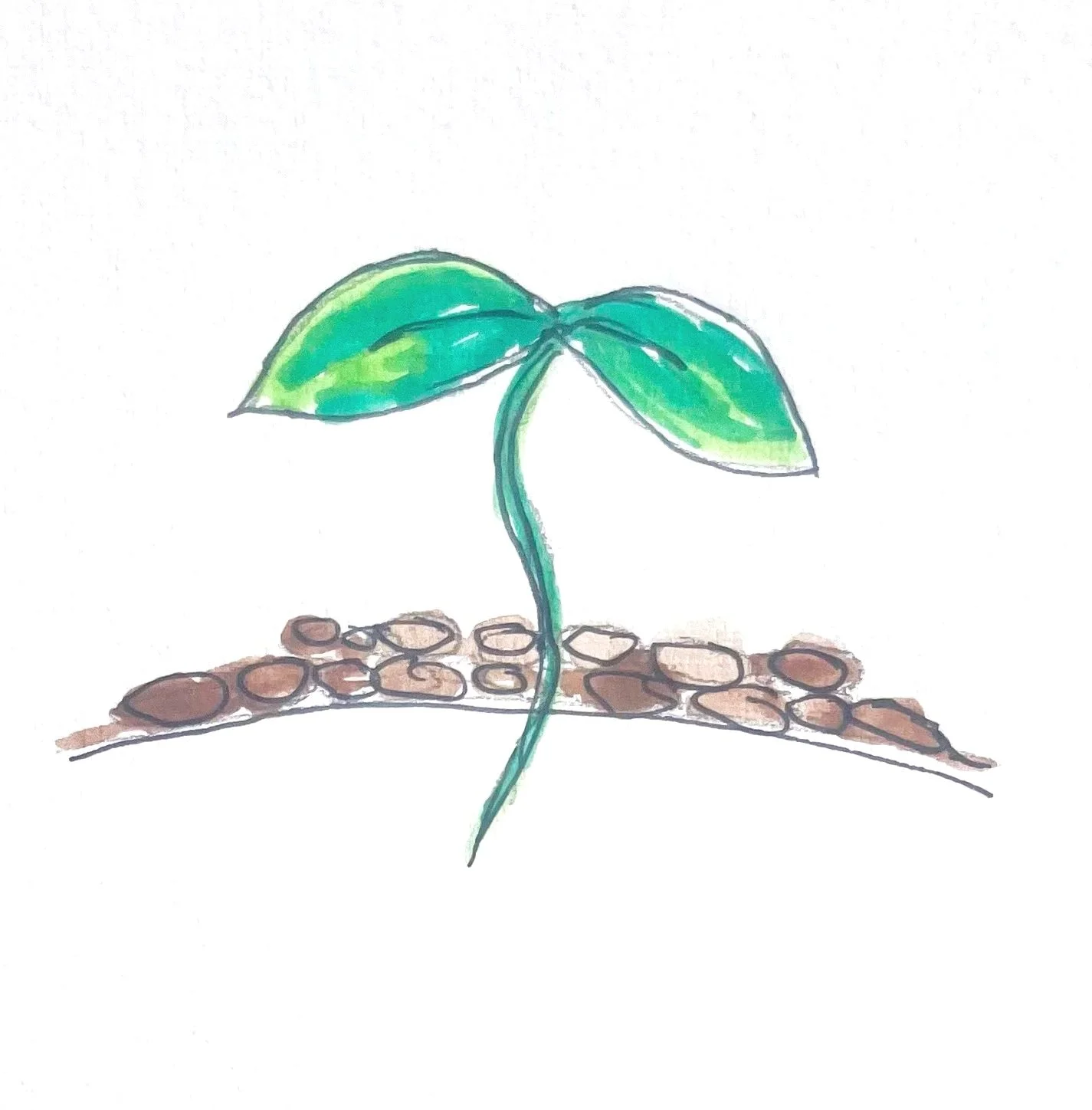
As the name suggests, Pioneer Species love initiating new ideas, methodologies, or ways of working where there is little structure that already exist, Think of a new seedling unlikely sprouting through rocky terrain. This species can tolerate difficult conditions and uncertainty. Through careful experimentation, they begin laying foundations that others may later build upon.
Pathfinders
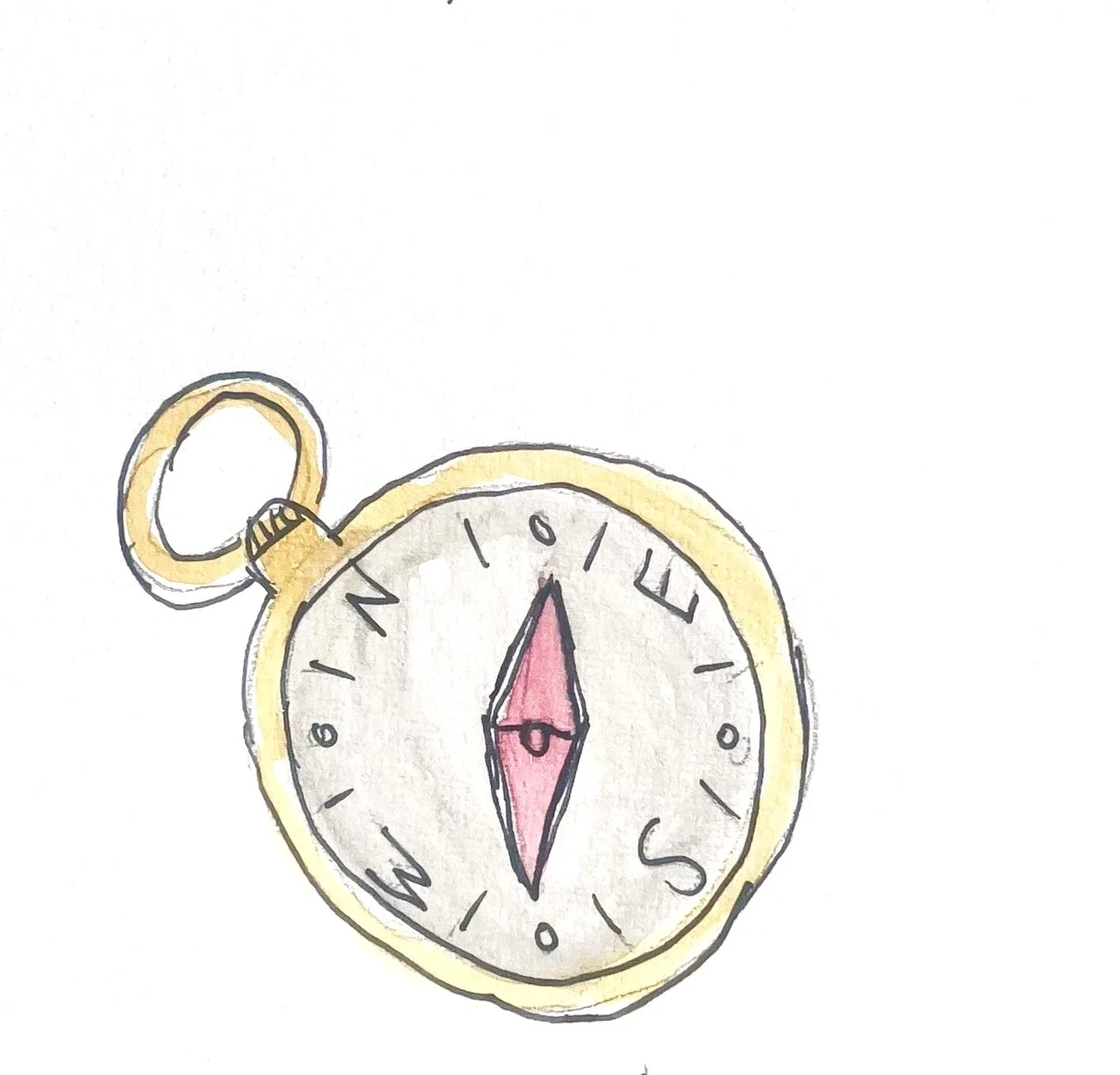
Pathfinders are practitioners who orient themselves and others through unfamiliar or emerging terrain. They help clarify direction, test new possible pathways and support others to navigate new frameworks and professional edges. What new path might you find?
Want to Explore More?
Lookout: The Bog of Realities
Have a bit of a giggle but don’t get stuck - the realities of practice can get a bit boggy…

Curious about other species?
Explore the different species found across the Ecology Map
Practitioner Portraits
Reflective portraits of practice across the wider ecology.=