Wetlands
Emotional regulation & crisis support
Wetlands are transitional ecosystems that absorb excess water and contribute to the regulation of surrounding environments
If you find yourself inhabiting the Wetlands, you might be comfortable working in mental health crisis settings/teams, AOD services, psychiatric units, DV-related services, or other environments where clients are often in high stress or acute distress. Work in this space is often short-term and focuses on stabilising the client first to help them return to a space where they feel safe enough.
The Wetlands is a space where you will be working with clients in high emotional states and periods of overwhelm, as well as during periods that may be described as crises. This is a multifaceted terrain which focuses on immediate emotional support and nervous system regulation.
Therapeutic practice in this terrain is usually trauma-informed and is responsive to clients’ needs. From a trauma-informed perspective, it is important that clients have a level of felt safety and are stable enough before deeper therapeutic work can take place

Dan Siegel’s Window of Tolerance offers a useful lens for understanding stabilisation-focused work in this terrain. Babette Rothschild and Peter Levine, also highlight the body’s role in emotional regulation, particularly when clients feel overwhelmed or unable to make sense of their experience.
Practice note: You can read a short reflection on how artmaking shifts in response to nervous system capacity HERE
Sustainability and limits
Work in the Wetlands can be challenging, (particularly for sole practitioners) as it can be emotionally demanding, and at times requires safety protocols to be carefully followed. This is particularly true when supporting clients in crisis or states of high activation. In order for you to work sustainably within this terrain, you require strong boundaries, regular supervision as well as a stable nervous system.
For those in the Wetlands, emotional depletion, compassion fatigue, or burnout may occur over time. To avoid sinking in this terrain, it is important to have robust support systems in place to ensure you can continue to work effectively and safely within it.
In context to the wider ecology
This terrain provides much -needed immediate support to clients and can help them regain a greater sense of balance. It is primarily focused on stabilisation and helps support the wider system, as it prepares clients for longer-term or more exploratory therapeutic work.
Species found in the Wetlands
Although practitioners may move and migrate across multiple terrains in the Arts Therapy Ecology Map, the following species are often at home within the Wetlands:
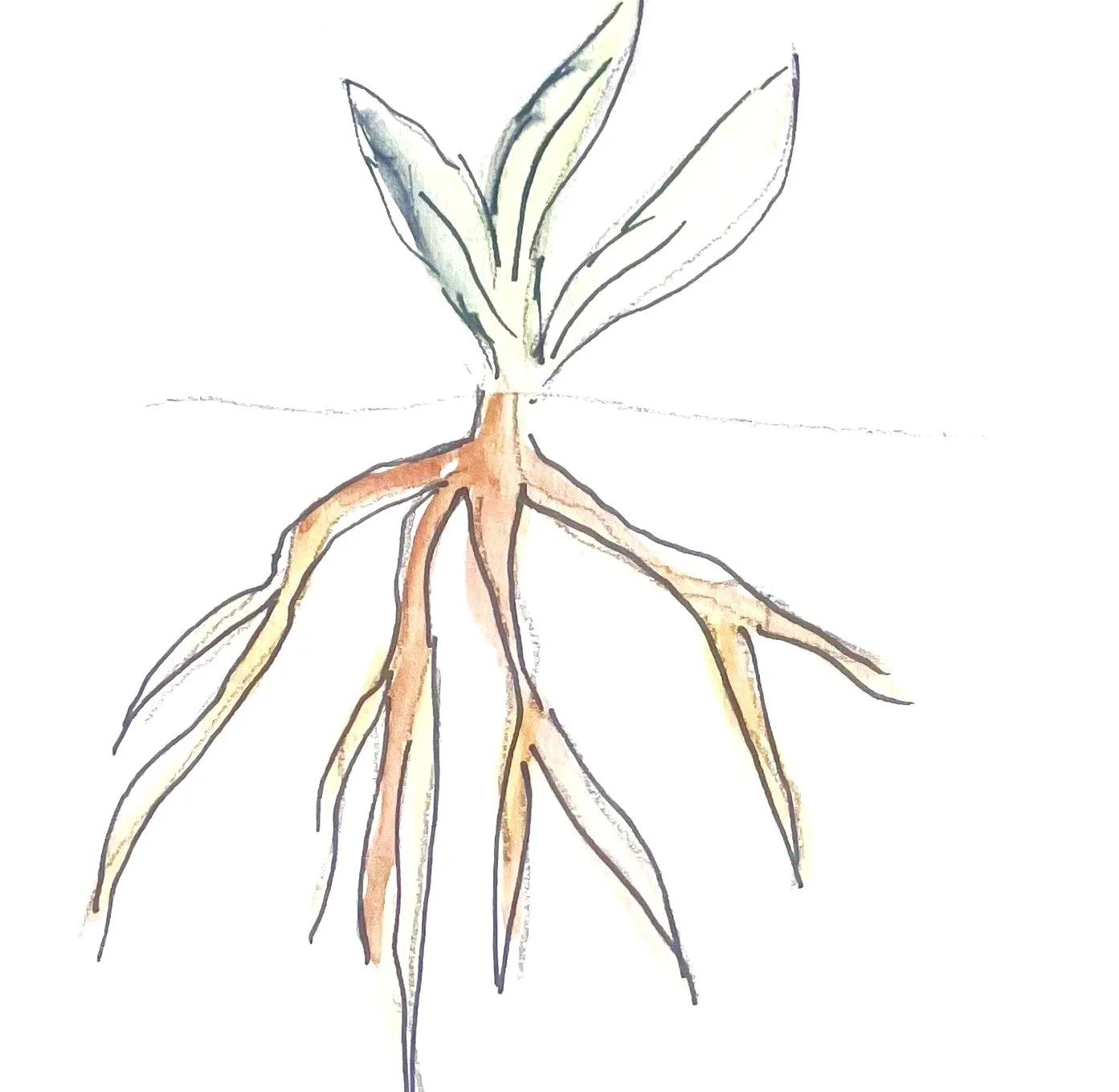
Root Stabilisers
Root Stabilisers are those who provide grounding and somatic anchoring during periods of emotional overwhelm and crises. In the Wetlands, they play an important role in helping clients to regain a sense of safety and presence- helping them to ground and reorient to a more immediate sense of stability.
Companion Plants
This species can stand ‘with’ or ‘alongside’ the client and can provides strong relational steadiness during moments of high stress/distress. Companion Plants are emotionally attuned, compassionate, and ultimately steadfast which can help clients feel supported and less alone as emotional intensity subsides.
Compost Stewards
These practitioners can help clients to metabolise intense emotional material in the ‘now’- current time. In the Wetlands, this species supports clients while they transform overwhelming emotional and nervous-system states into something more immediately manageable. Their role is to help support a return to balance
Want to Explore More?
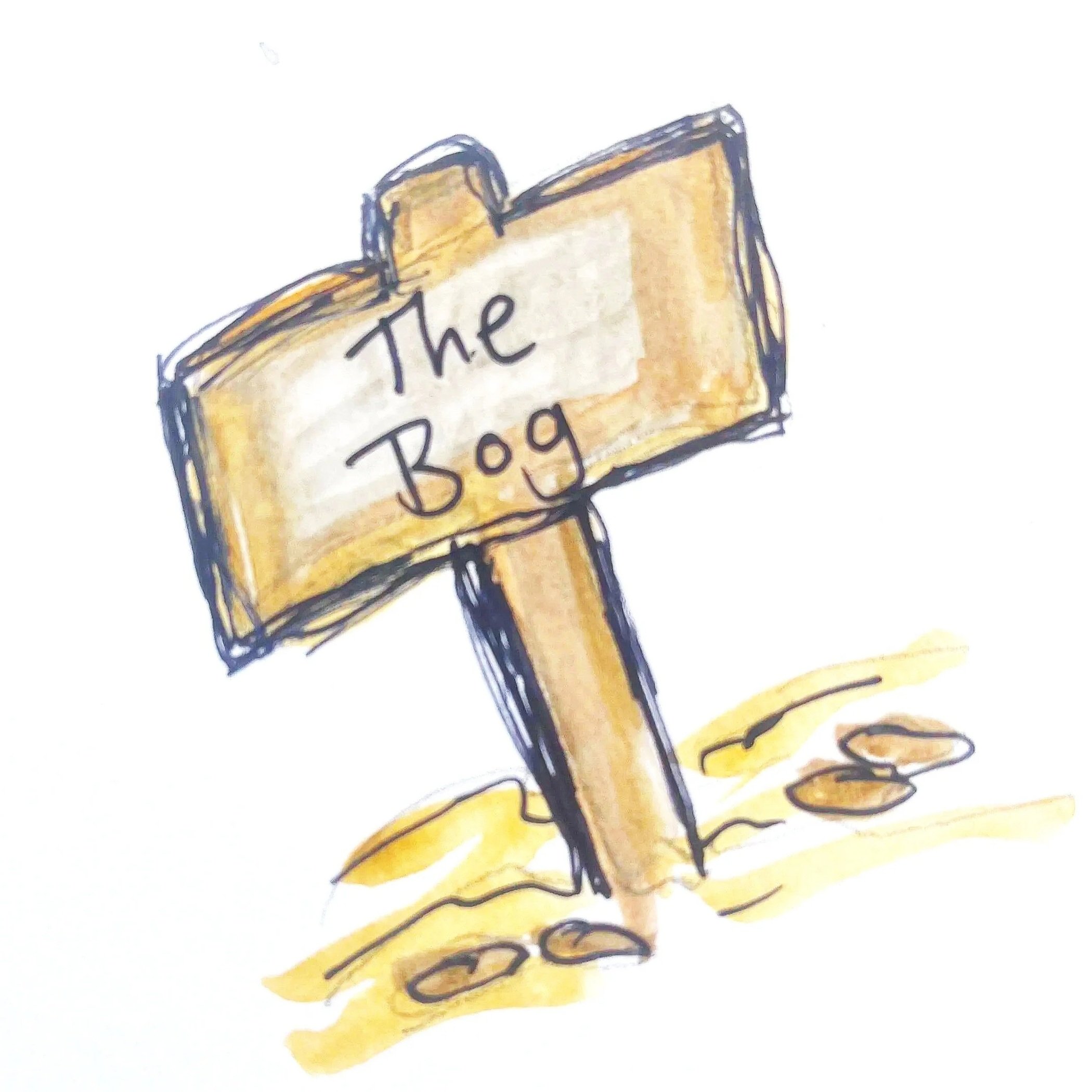
Lookout: The Bog of Realities
Have a bit of a giggle -the realities of practice can get a bit boggy.
Curious about other species?
Explore the different species found across the Ecology Map.
Practitioner Portraitws
Reflective portraits of practice across the wider ecology.